Find out more

Net Positive Hospitality for a better world
Driving collaboration for a more sustainable future
The collective power of hospitality
We tackle the key global challenges affecting our planet and its people, bringing together CEO and C-suite donor members and other partners, to achieve a more sustainable and inclusive world for all.
Our donor members and partners represent:

50,000
hotels

7 million
rooms globally

270+
brands

40+
supply chain and strategic partners
View our strategy
Accelerating the Path to Net Positive Hospitality
Our commitment to creating a prosperous and responsible hospitality sector that gives back to the destination more than it takes.
View our bold new five-year strategy, designed to accelerate industry-wide action and achieve our global vision of Net Positive Hospitality.
Latest news
View news

A united vision for nature – ‘Nature Positive’ report marks new collaborative era in Travel & Tourism
The World Travel and Tourism Council, UN Tourism and the Sustainable Hospitality Alliance join forces to support Nature Positive Tourism.
Industry resources
People
We have free practical tools, trainings and programmes to support hotels to improve their social responsibility.
Planet
We have range of free tools, research and resources to enable every hotel to manage their environmental impact.
View resources

Human rights
Our training and resources support hotels to mitigate human rights risks.
Find out more

Youth employment
Our programme gives young people the opportunity to gain the skills to start their career.
View resources
Climate action
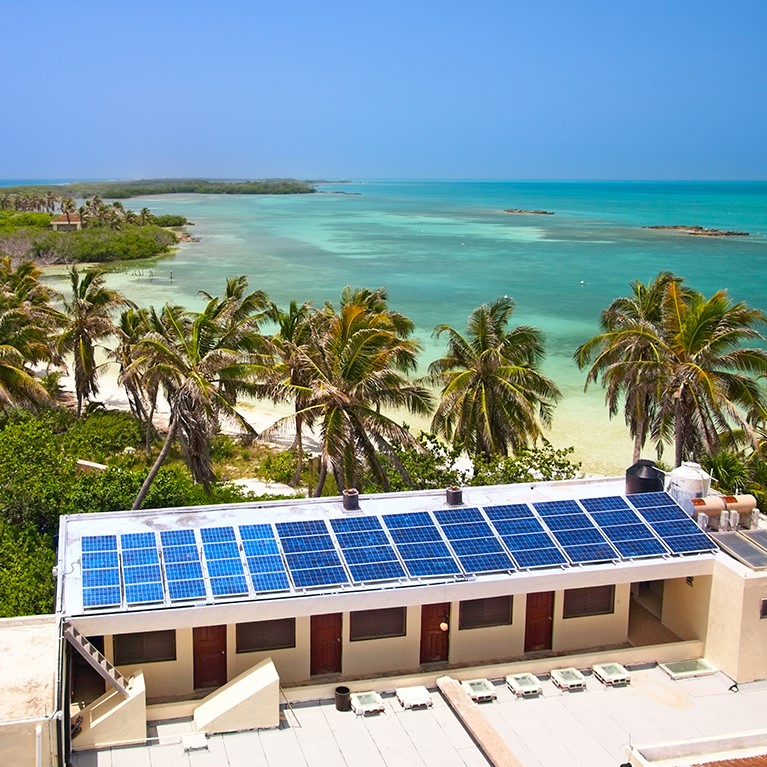
Our tools and resources enable every hotel to manage their carbon emissions.
View resources

Water stewardship
Our tools and resources enable every hotel to implement effective water stewardship strategies.
Hospitality Donor Members
Our hospitality donor members consist of world-leading hotel companies and strategic partners with a combined reach of over 50,000 properties and 7 million rooms – representing 270 brands.











Affiliate Donor Members
Our affiliate donor members represent other partners in the hospitality value chain to further drive collaboration on industry sustainability. This includes real estate owners, investment funds, technology companies, procurement specialists, and legal and consulting firms.














Partners
We partner with philanthropic organisations, non-profits, governments and the private sector who want to work with the hospitality industry to drive action on shared sustainability challenges.